1973. Count Nodes Equal to Sum of Descendants
Given the root of a binary tree, return the number of nodes where the value of the node is equal to the sum of the values of its descendants.
A descendant of a node x is any node that is on the path from node x to some leaf node. The sum is considered to be 0 if the node has no descendants.
Example 1:
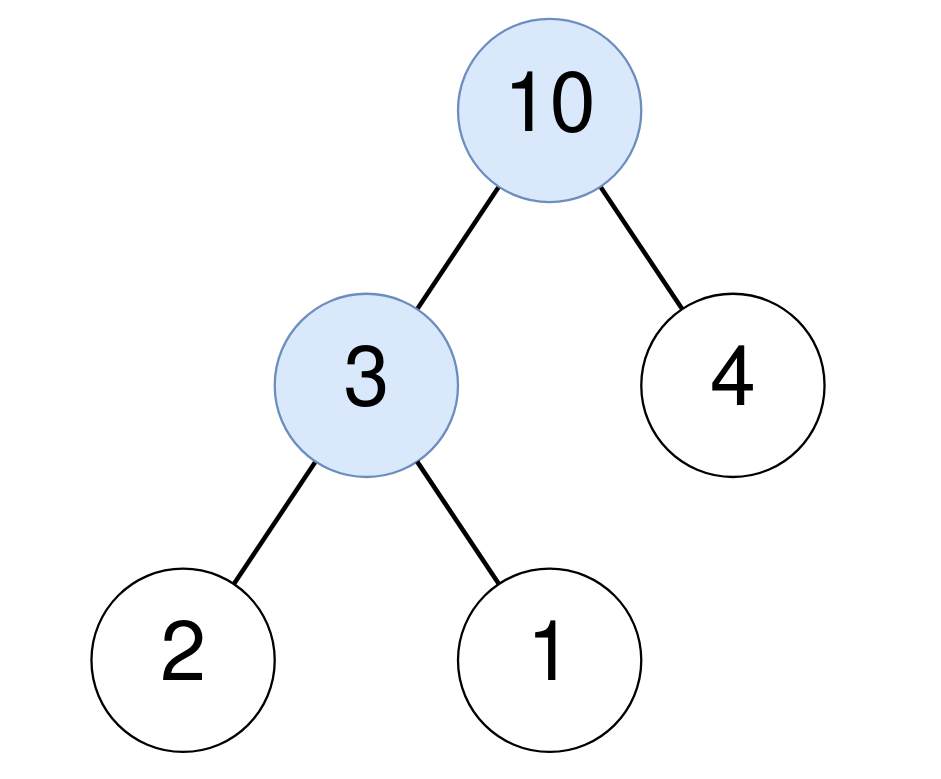
Input: root = [10,3,4,2,1]
Output: 2
Explanation:
For the node with value 10: The sum of its descendants is 3+4+2+1 = 10.
For the node with value 3: The sum of its descendants is 2+1 = 3.
Example 2:
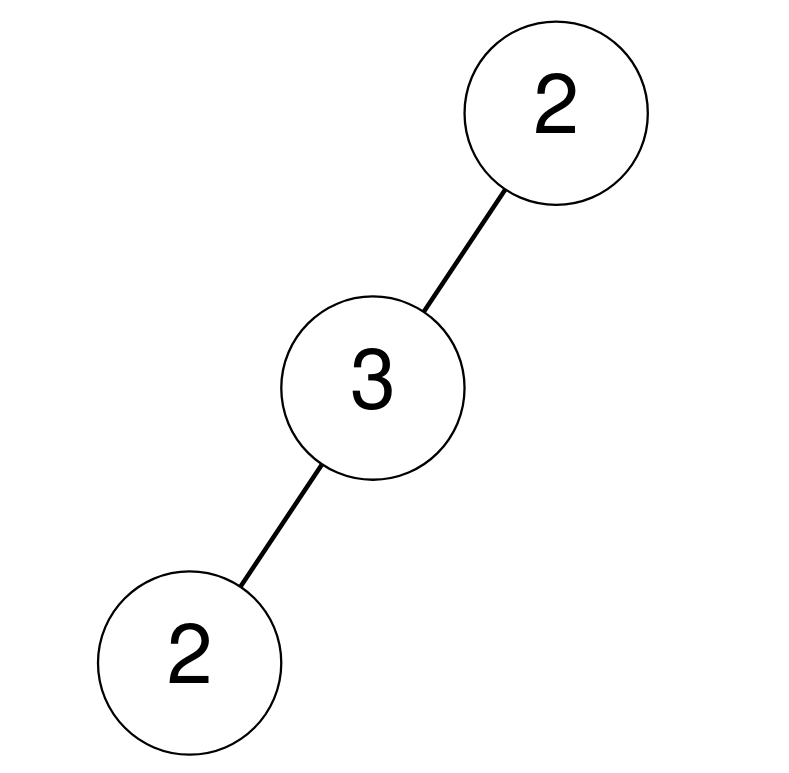
Input: root = [2,3,null,2,null]
Output: 0
Explanation:
No node has a value that is equal to the sum of its descendants.
Example 3:
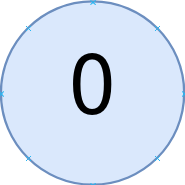
Input: root = [0]
Output: 1
For the node with value 0: The sum of its descendants is 0 since it has no descendants.
Constraints:
- The number of nodes in the tree is in the range
[1, 105]. 0 <= Node.val <= 105
Asked at 1 company
Topics
Hints open one at a time
Hint 1
Can we reuse previously calculated information?
Hint 2
How can we calculate the sum of the current subtree using the sum of the child's subtree?
Loading editor…
1class Solution:
2 def solve(self):
3 pass
4
Starter codePython 3Spaces: 4
Loading editor…
1class Solution:
2 def solve(self):
3 pass
4
Starter codePython 3Spaces: 4
Examples
Input
[10,3,4,2,1]
Input
[2,3,null,2,null]
Input
[0]
Your code is saved on this device.Solution